Living with diabetes doesn’t mean giving up on delicious food or a healthy lifestyle. It’s about making mindful choices that help balance blood sugar while still enjoying meals you love. By focusing on nutrient‑dense ingredients, portion control, and smart cooking methods, you can create dishes that support your wellbeing and taste great too.
At Recipe Range, our goal is to provide recipes and tips that empower you to take charge of your health. Whether you’re newly diagnosed or have been managing diabetes for years, you’ll find practical guidance, easy‑to‑follow recipes, and inspiration to keep your meals both safe and satisfying.
Remember: small, consistent changes in your diet and routine can make a big difference in managing diabetes effectively.
Top Foods for Diabetic Patients
1. Fatty Fish
Examples: Salmon, sardines, mackerel, trout
Rich in omega‑3 fatty acids (DHA & EPA)
Benefits: Reduce inflammation, improve heart health, stabilize blood sugar, and provide high‑quality protein
2. Leafy Greens
Examples: Spinach, kale, collard greens
Very low in digestible carbs, packed with vitamins A, C, E, K, iron, potassium, calcium
Benefits: Minimal impact on blood sugar, antioxidant protection, anti‑inflammatory effects
3. Avocados
High in monounsaturated fats and fiber
Benefits: Lower LDL cholesterol, prevent blood sugar spikes, keep you full longer
Note: High in calories, so eat in moderation
6. Nuts
Examples: Almonds, walnuts, pistachios
Provide healthy fats, magnesium, and fiber
Benefits: Reduce inflammation, support heart health, stabilize glucose
Rich in protein, vitamins, and polyunsaturated fats
Benefits: Improve cholesterol profile, reduce risk of stroke, help control blood sugar when paired with low‑carb meals
7. Chia Seeds
Rich in fiber, omega‑3s, and antioxidants
Benefits: Slow carbohydrate absorption, improve fullness, support heart health
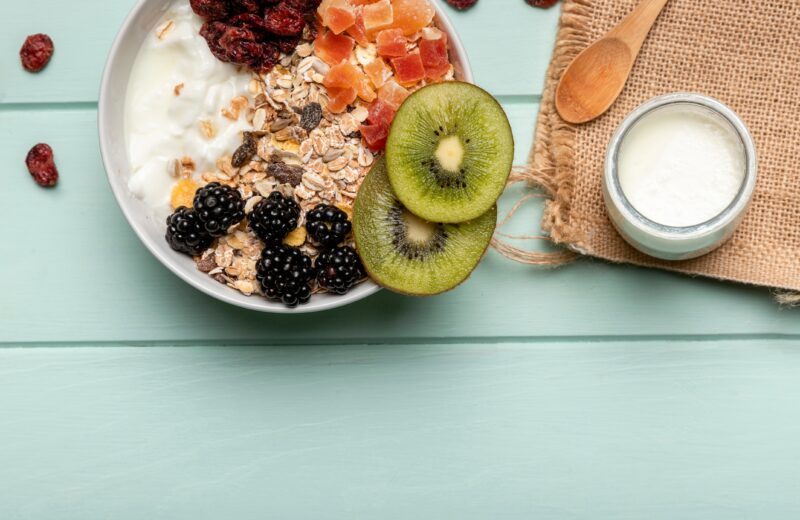
8. Greek Yogurt
High in protein, probiotics, and calcium
Benefits: Supports gut health, reduces appetite, helps regulate blood sugar
9. Extra‑Virgin Olive Oil
Rich in monounsaturated fats and antioxidants
Benefits: Improves cholesterol, reduces inflammation, supports cardiovascular health
Foods to Limit
Refined grains (white bread, pasta, rice)
Sugary drinks (soda, sweetened juices)
Fried foods & candy These cause rapid spikes in blood sugar and increase risk of complications.
Foods to Avoid for Diabetic Patients
Certain foods should be avoided by diabetic patients because they cause rapid spikes in blood sugar or add unnecessary calories.
Refined sugar and sweets are discouraged, as they lead to sudden glucose surges.
White bread, pasta, and polished rice are restricted due to their high glycemic index.
Sugary beverages such as soft drinks and fruit juices with added sugar are considered harmful.
Fried fast foods are avoided because they contribute excess calories and unhealthy fats.
Baked goods like cakes and pastries are excluded for their refined flour and sugar content.
Full‑fat dairy and creamy sauces are limited, as they increase saturated fat intake.
Instead, low‑glycemic alternatives are recommended. Options such as sweet potatoes, nuts, and fresh fruits can be incorporated to maintain balanced nutrition and better blood sugar control.
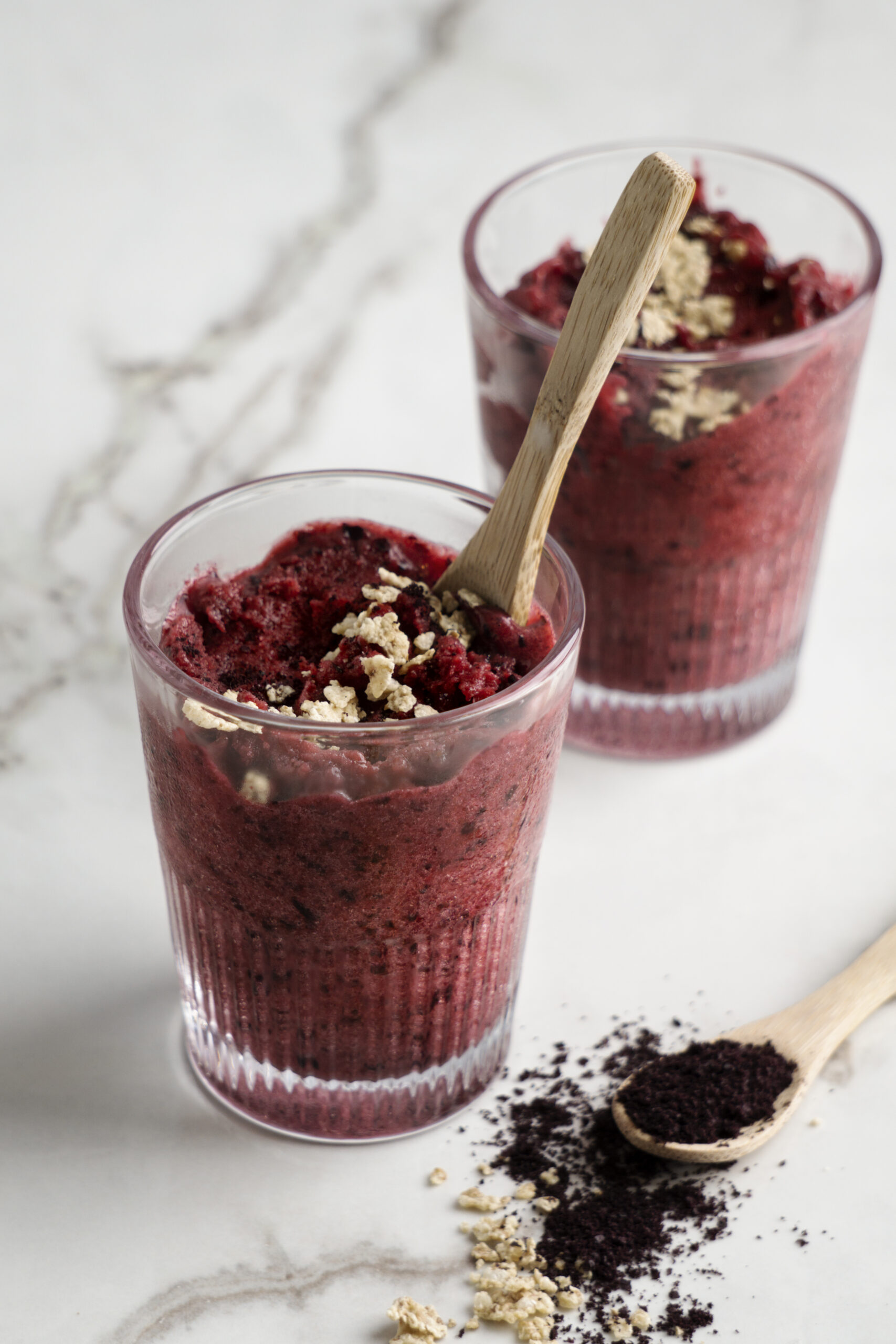
A refreshing frozen treat is prepared by blending berries and setting them in cups. Since berries are naturally lower in sugar compared to many fruits, they are recommended for diabetic diets. Crunch and fiber are added when whole‑grain, low‑sugar granola is used as a topping. This recipe can be served as a healthy snack or as a breakfast substitute.
Tip: Less granola should be used, or sugar‑free granola can be chosen. Chopped nuts may also be added instead to further reduce sugar load and increase healthy fats.
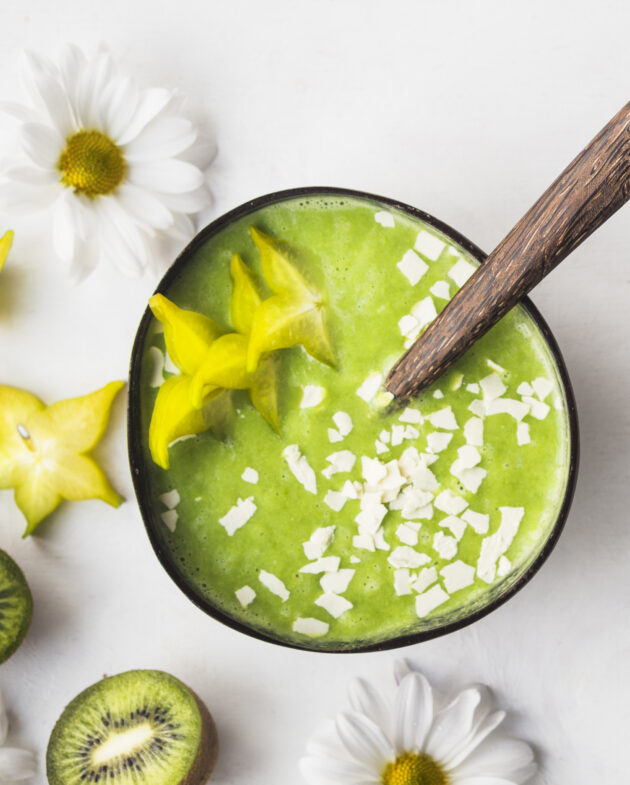
A tropical smoothie bowl is prepared by blending kiwi and starfruit with a dairy‑free or low‑fat base. Since both fruits have a moderate glycemic impact, they are recommended to be paired with protein sources such as Greek yogurt or nut butter so that digestion is slowed and blood sugar levels remain stable.
Tip: Chia seeds or flax seeds should be sprinkled on top to increase fiber and healthy fats, making the bowl more diabetes‑friendly and nutrient‑dense.
A savory curry is prepared using green jackfruit, which is naturally less sweet and therefore more suitable for diabetic diets. Traditional Sri Lankan spices and vegetables are combined to create a flavorful dish. Minimal coconut milk is recommended so that saturated fat intake is reduced. The curry is best paired with small portions of whole‑grain rice or millet to maintain balanced blood sugar levels.
Tip: Lean protein or lentils should be added on the side to create a more balanced plate and improve satiety.
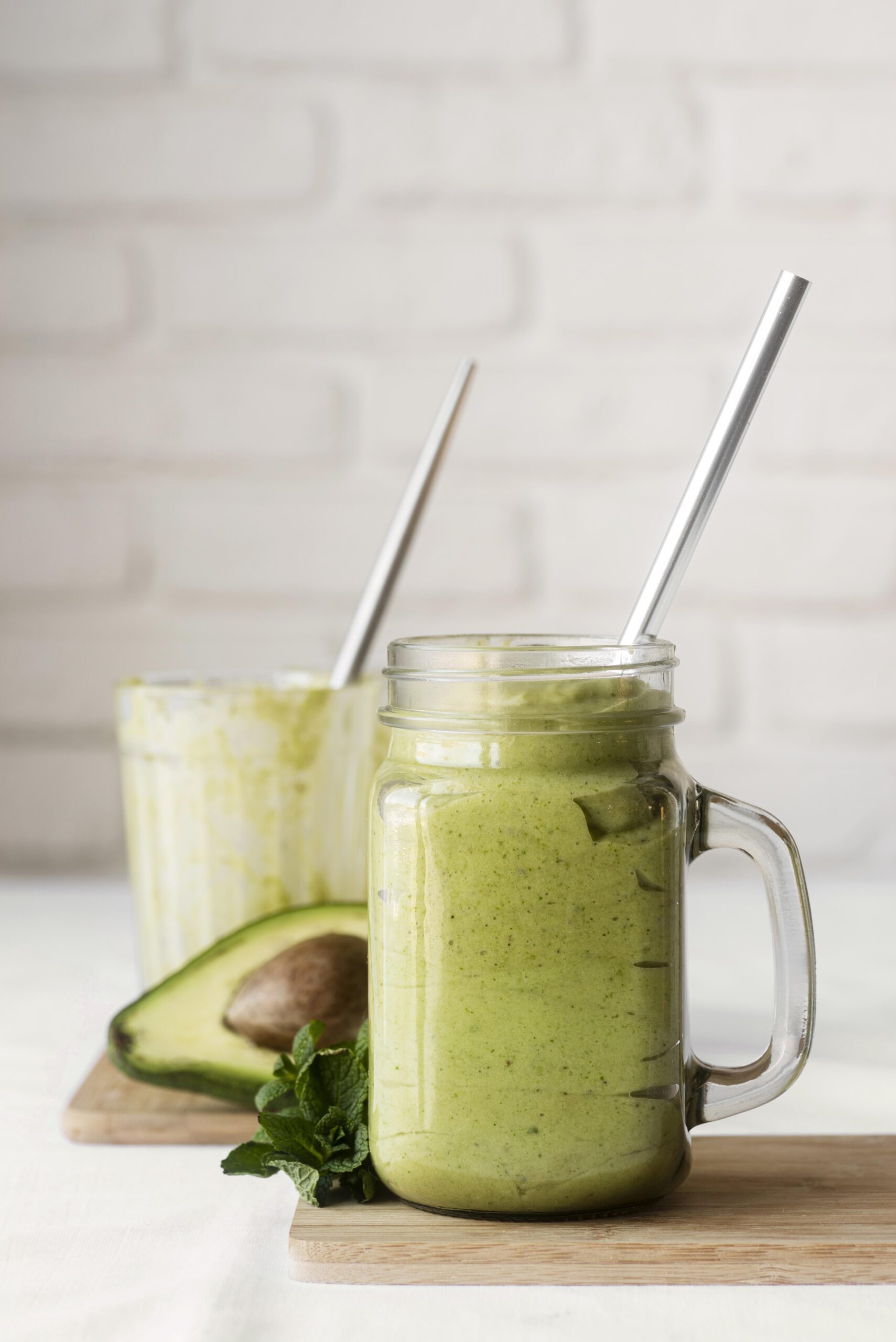
A creamy smoothie is prepared by blending avocado with a milk base. Healthy monounsaturated fats and fiber are provided by avocado, which help slow sugar absorption and support heart health. Unsweetened dairy or plant‑based milk is recommended so that added sugars are avoided. A small amount of fruit may be included to enhance flavor without raising the glycemic load.
Tip: Protein such as Greek yogurt or protein powder should be added to increase satiety and make the smoothie more diabetes‑friendly.
Sample Meal Plan Integration
A balanced daily routine can be created by integrating diabetes‑friendly recipes across meals.
Meal Time
Recipe / Dish
Notes
Breakfast
Creamy Avocado Smoothie
Protein powder or Greek yogurt should be added for satiety.
Snack
Frozen Berry Smoothie Cup
One serving should be consumed to control sugar intake.
Lunch
Jackfruit Sri Lankan Curry + small portion of brown rice + vegetables
Whole grains and vegetables are paired to stabilize blood sugar.
Side / Condiment
Pol Sambol
Used in moderation to enhance flavor without excess sugar.
Dessert / Snack
No‑Bake Coconut Mango Ice Squares
Small portions are recommended due to mango’s sugar content.
Alternate Breakfast Option
Kiwi Starfruit Smoothie Bowl
Seeds or nuts should be added for fiber and healthy fats.
Recipes can be rotated or swapped across days to maintain variety and ensure balanced nutrition.
Smart Snacking Tips for Diabetics
Always combine carbs with protein or fat (e.g., apple + peanut butter).
Choose low GI fruits like berries or guava.
Eat small, frequent meals to avoid sugar spikes.
Stay hydrated — water and herbal teas are best.
Track your glucose after new snacks to understand your body’s reaction.
Lifestyle & Exercise Tips
Diabetes management isn’t just about diet — it’s a whole-lifestyle approach.
Exercise at least 30 minutes daily (walking, yoga, or light strength training).
Get 7–8 hours of sleep — poor rest raises blood sugar.
Manage stress through meditation or breathing exercises.
Keep a meal & glucose journal to track triggers and improvements.
Frequently Asked Questions (FAQ)
Can diabetic patients eat fruits?
Yes, but in moderation. Choose low-GI fruits like berries, guava, kiwi, or apple.
Are smoothies good for diabetics?
Smoothies made with whole fruits, fiber, and protein (like avocado or chia seeds) are great options. Avoid added sugar or syrups.
Is coconut healthy for diabetics?
Yes — in moderation. Coconut has healthy fats that can stabilize blood sugar, but avoid sweetened coconut milk.
What’s the best Sri Lankan food for diabetics?
Jackfruit curry, gotukola sambol, red rice, and dhal curry are traditional diabetic-friendly choices.