
Recipe Categories
Recipe Categories

The Ultimate Guide to Buttermilk Substitutes: Ratios, Science, and Recipes

The Ultimate Guide to Buttermilk Substitutes: Ratios, Science, and Recipes

There is nothing quite like the sinking feeling of having your flour measured, your oven preheated, and your butter softened, only to open the fridge and realize you are completely out of buttermilk. Whether you are throwing together a quick batch of scones before heading out to teach a full day of classes, or you are prepping a complex weekend layer cake, a missing ingredient can bring your kitchen to a grinding halt.

But do not abandon your baking project just yet. You do not need to make a frantic run to the grocery store.
Here at reciperange.com, we believe that understanding how ingredients work is the key to mastering the kitchen. In this comprehensive guide, we will give you the quick fixes you need right now, and then dive deep into the science of why these buttermilk substitutes work so perfectly.
 

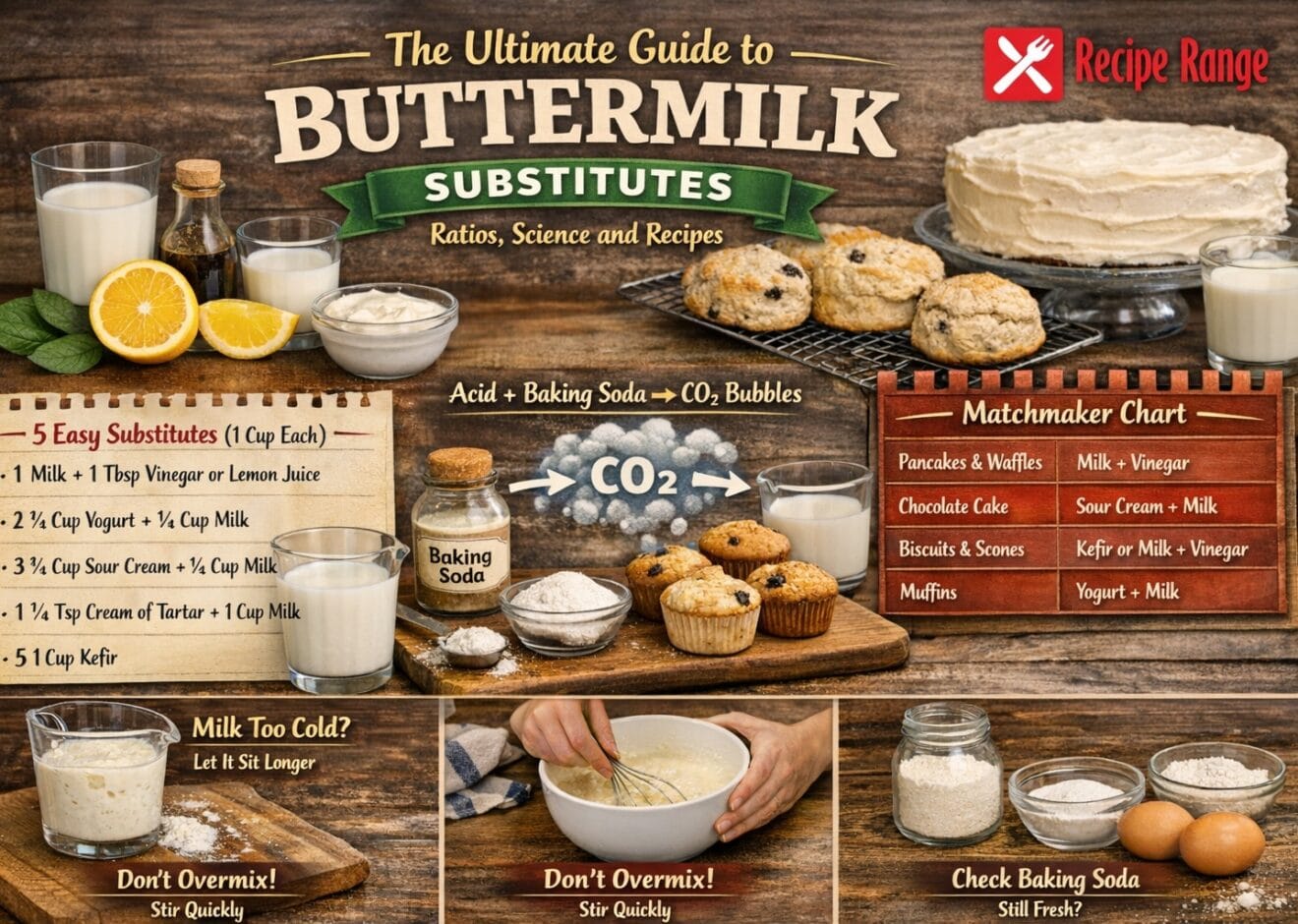
The Quick Answer: 5 Easy Buttermilk Substitutes (1 Cup Ratio)

 
Need an answer right this second? You can easily make a 1-cup buttermilk substitute using ingredients you likely already have. Choose one of these five methods:

What Exactly is Buttermilk, Anyway?

To understand how to replace it, we first need to understand what it is.
Historically, buttermilk was the thin, slightly watery liquid left over after churning cultured cream into butter. It was naturally fermented by lactic acid-producing bacteria, which gave it a signature tangy flavor and a thicker consistency than regular milk.
Today, the “buttermilk” you buy in the carton at the grocery store is actually “cultured buttermilk.” It is made by taking regular pasteurized milk (usually low-fat or skim) and introducing specific bacterial cultures to ferment the milk sugars (lactose) into lactic acid.
This modern process guarantees a consistent acidity and thickness, which is exactly what modern baking recipes rely on.

The Science of Baking with Buttermilk

Why do recipes specifically call for buttermilk instead of regular milk? It all comes down to a simple chemistry lesson in your mixing bowl.
When you bake, you need a leavening agent to make your cakes, breads, and pancakes rise. The most common leavening agent is baking soda (sodium bicarbonate), which is a base. For baking soda to do its job, it requires an acid to react with.
 
When the lactic acid in buttermilk meets the sodium bicarbonate in your dry ingredients, they neutralize each other. This rapid chemical reaction produces carbon dioxide gas ($CO_2$). These gas bubbles get trapped in your batter, expanding as they heat up in the oven, creating a beautifully fluffy, airy lift.
Furthermore, the acid in buttermilk plays a secondary role: it tenderizes the gluten in your flour. By breaking down those long, tough protein strands, the acid ensures your final baked good has a soft, melt-in-your-mouth crumb rather than a chewy, bread-like texture.
By creating a substitute, our sole goal is to replicate that acidic environment.

Deep Dive: The Best Buttermilk Substitutes

Let’s break down exactly how to execute these substitutes and why they work.
 
1. Milk and Lemon Juice or White Vinegar
This is the holy grail of baking substitutions. It is fast, relies on absolute pantry staples, and perfectly mimics the acidity of cultured buttermilk.
2. Plain Yogurt and Milk
If you happen to have plain, unsweetened yogurt in the fridge, you are in luck. Yogurt is created through a very similar bacterial fermentation process as commercial buttermilk, meaning it already has the exact flavor profile and acidity required.
3. Sour Cream and Milk
Sour cream is another cultured dairy product that provides fantastic acidity. Because sour cream has a higher fat content than standard buttermilk, using this substitute will often result in a richer, moister bake.
4. Cream of Tartar and Milk
Cream of tartar (potassium bitartrate) is a dry, powdered acid usually used to stabilize egg whites for meringues. If you want to add acidity without introducing liquid vinegar or lemon juice to your batter, this is the way to go.
5. Kefir
Kefir is a fermented milk drink that is essentially a liquid yogurt. It is incredibly rich in probiotics and happens to be a perfect 1:1 substitute for buttermilk.

Vegan and Dairy-Free Buttermilk Substitutes

Baking for a plant-based diet or a dairy allergy? You can absolutely still achieve that fluffy rise. The trick is choosing the right plant milk.
The Dairy-Free Method: Use the same ratio as the classic method. 1 Tablespoon of apple cider vinegar (or lemon juice) plus enough soy or almond milk to reach 1 cup. Let it sit for 5 to 10 minutes to curdle.

The Ultimate Substitute Matchmaker: What to Use When

Not every substitute is flawless for every single recipe. Here is a quick cheat sheet to help you choose the best option for what you are making today.
 
 
Recipe Type
Best Substitute
Why it Works Best
Pancakes & Waffles
Milk + Lemon/Vinegar
Provides the sharpest, quickest chemical reaction for maximum fluffiness.
Chocolate Cake
Sour Cream + Milk
The extra fat content in the sour cream makes the cake incredibly rich and fudgy.
Biscuits & Scones
Kefir or Milk + Vinegar
Biscuits require cold ingredients. Cultured dairy or soured milk provides tang without altering the fat structure.
Muffins
Yogurt + Milk
Adds a beautiful, tender crumb and keeps the muffins moist for days.
Cornbread
Milk + Vinegar
A thin batter needs a liquid substitute to maintain the proper hydration of the cornmeal.
 

Chocolate Chip Cookies

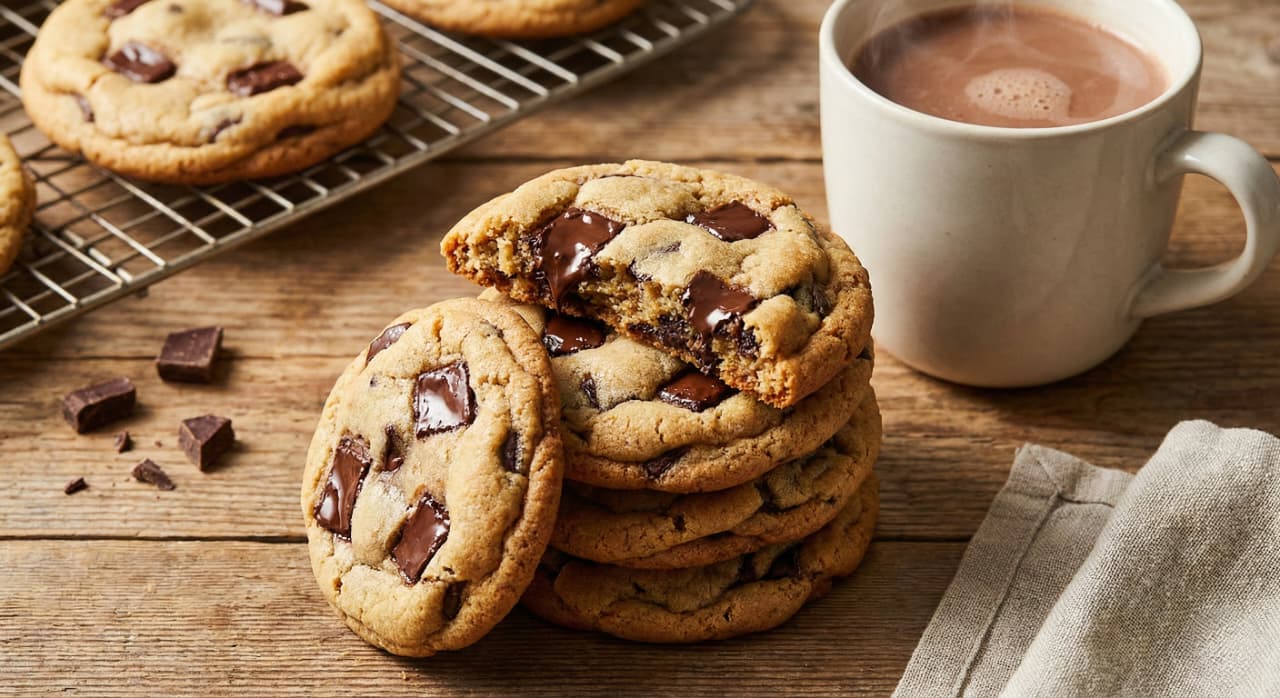
These bakery-style gluten-free chocolate chip cookies are everything you crave in a classic treat—thick, chewy, and bursting with pools of melted chocolate. Crafted with a few clever techniques, they completely eliminate the gritty texture often found in GF baking, delivering a cookie that tastes just as indulgent as the original.
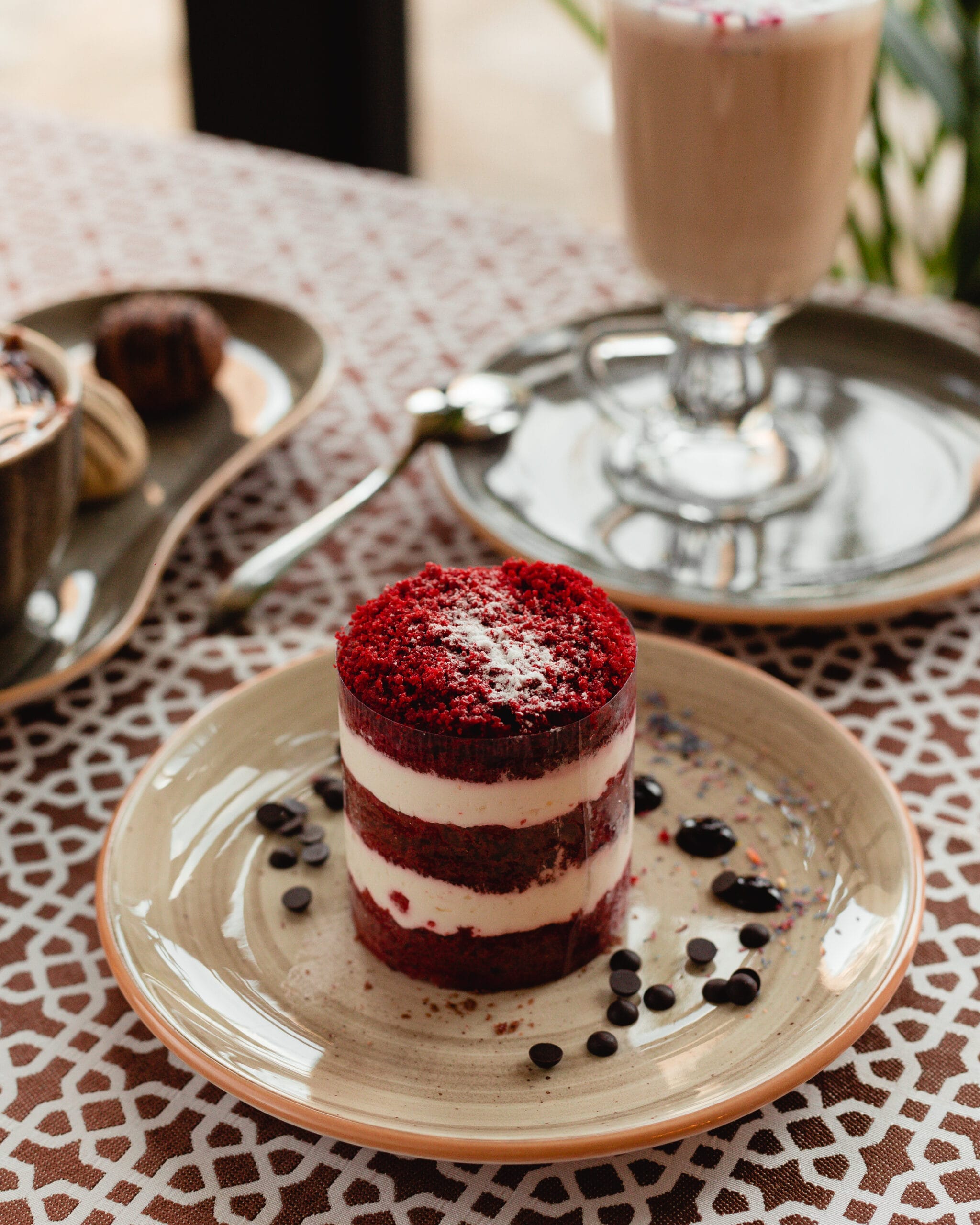
Red Velvet Cake with Cream Cheese Frosting

Red Velvet Cake with Cream Cheese Frosting

Red Velvet Cake. Its deep red color, velvety texture, and gentle cocoa flavor make it both elegant and comforting. This cake isn’t just visually stunning. It offers a soft, moist crumb and a sweet tang from cream cheese frosting that makes every bite irresistible.
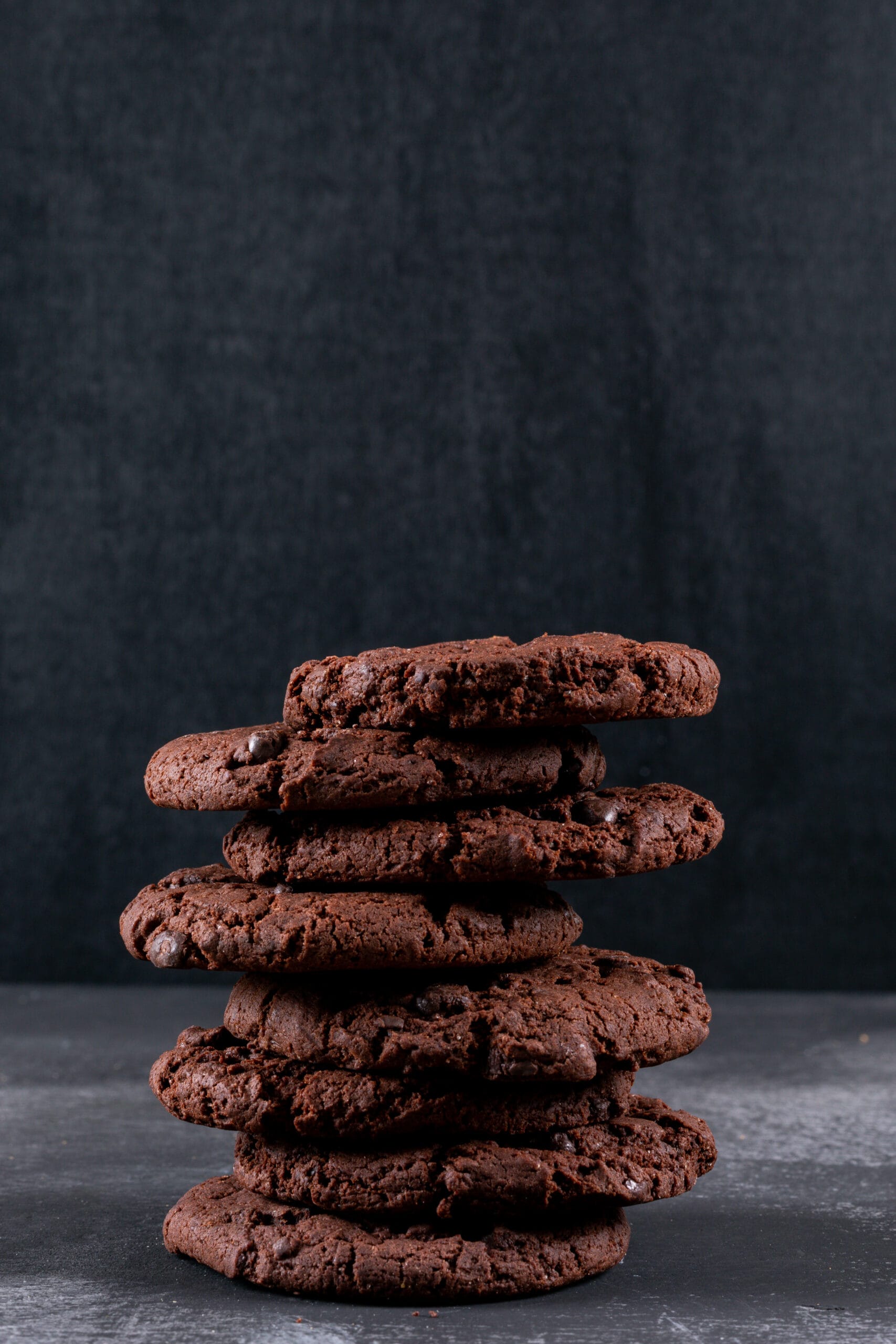
Double Chocolate Chip Cookies

Double Chocolate Chip Cookies

Double chocolate chip cookies are a rich, indulgent treat for anyone who craves deep chocolate flavor in every bite. Unlike traditional chocolate chip cookies, these cookies feature both unsweetened cocoa powder and semi-sweet chocolate chips, creating a luxurious double dose of chocolate.
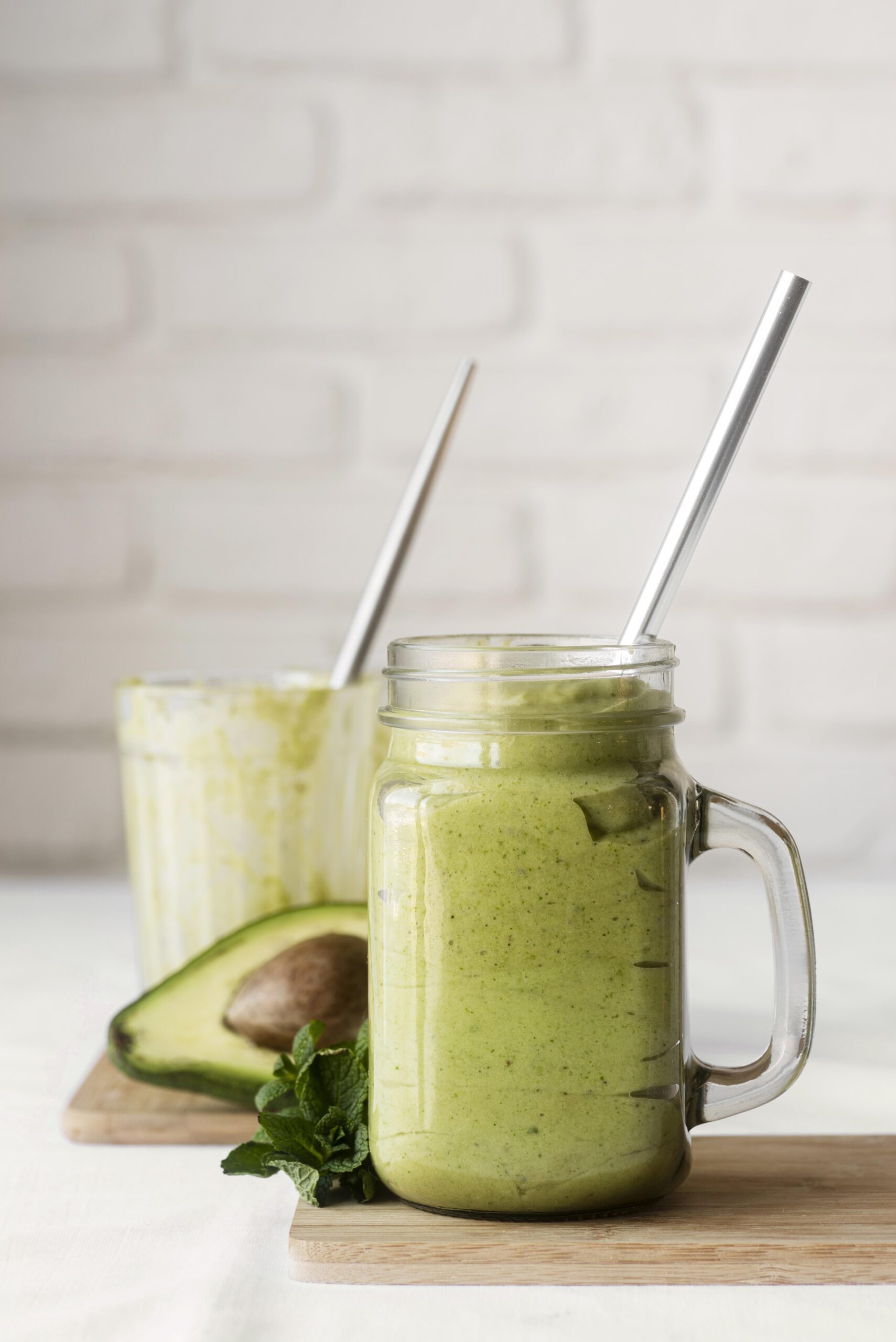
Avocado Smoothie Recipe

Avocado Smoothie Recipe

This silky green smoothie blends healthy fats, plant-based protein, and natural sweetness for a nourishing start to your day. Perfect for breakfast, post-workout recovery, or a midday energy boost.
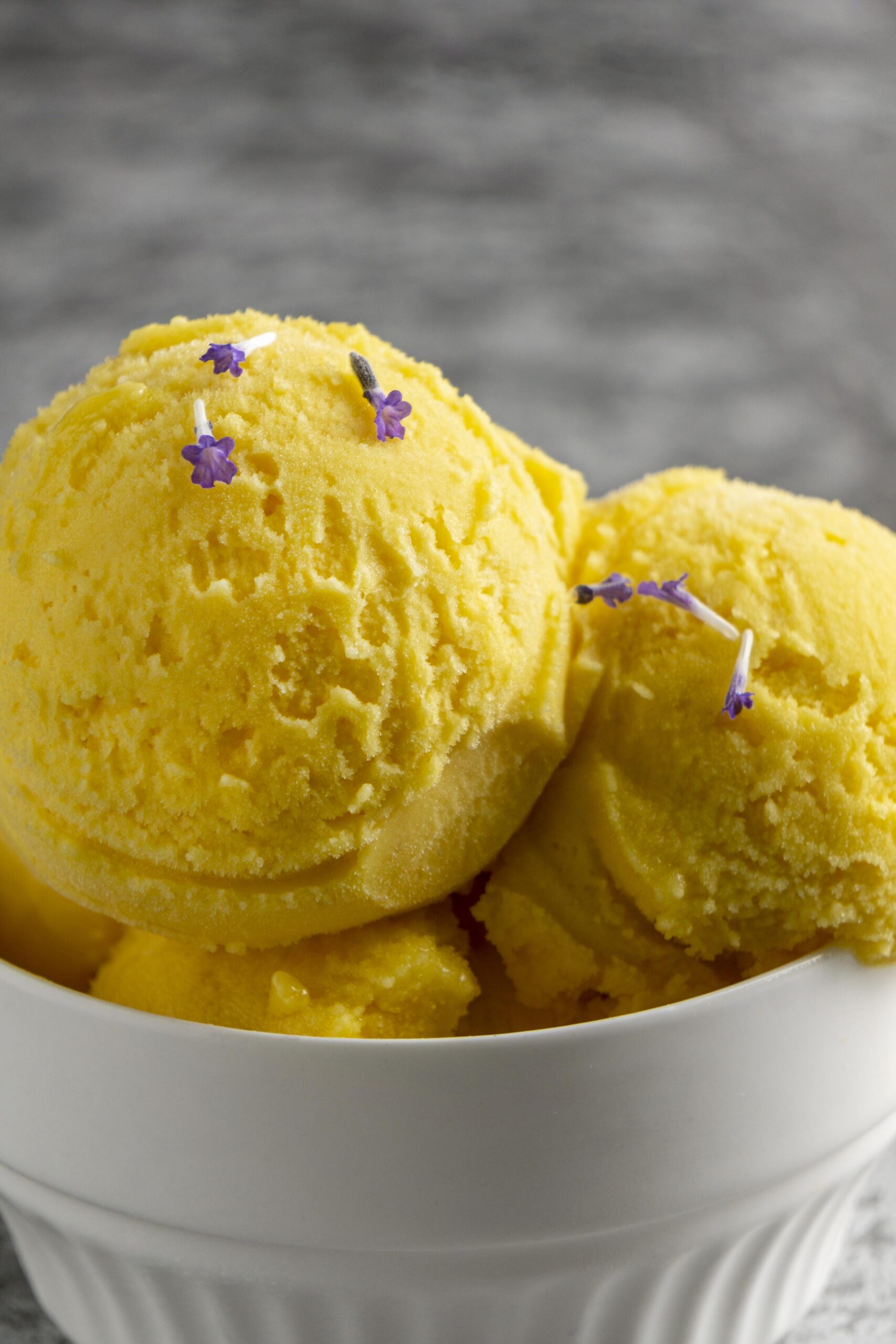
No-Bake Coconut Mango Dessert

No-Bake Coconut Mango Dessert

A tropical twist on traditional sweets, this no-bake coconut mango dessert is a creamy, chewy, and refreshingly cool treat—perfect for warm days, school lunchboxes, or mindful indulgence.With just four ingredients and zero baking required, this recipe celebrates simplicity and flavor in every bite.
Iced Coffee Recipe

Easy Homemade Iced Coffee Recipe

This creamy, refreshing iced coffee will give your favorite café brew a run for its money. It’s quick, affordable, and made with simple ingredients—no blender required. Perfect for tropical mornings or wellness-friendly sipping any time of day

Troubleshooting Your Bakes

If you use a substitute and your baked goods don’t turn out quite right, check these common pitfalls:
 
Can I just use regular milk without adding anything?

No. If a recipe specifically calls for buttermilk, it likely relies on baking soda for its rise. Regular milk is not acidic enough to activate baking soda. Your baked goods will turn out dense, flat, and may even have a soapy, metallic taste from the unreacted baking soda.

Not at all. The 1 tablespoon of vinegar or lemon juice is entirely neutralized during the baking process as it reacts with the baking soda. You will not taste any harsh vinegar notes in your final dish.

The Milk + Vinegar/Lemon Juice substitute should be used immediately for your recipe. However, if you mix a batch of Yogurt + Milk or Sour Cream + Milk, you can store it in an airtight container in the refrigerator for up to 3 days.

If you actually bought a carton and have some left over, yes! Pour the leftover buttermilk into an ice cube tray, freeze until solid, and then transfer the cubes to a freezer bag. Thaw them in the fridge overnight before your next baking project.